
When it comes to electrical installations, few components are as critical and often overlooked, as unique cable jointing kits. These kits play a vital role in ensuring secure, long-lasting cable connections, yet many professionals and project managers underestimate their importance. The result? Compromised performance, increased maintenance costs, and, in some cases, serious safety risks.
So, are you using the right unique kits? Let’s explore what most people miss and why making the right choice matters more than you think.
Understanding the Role of Unique Kits
At their core, unique kits are designed to safely connect and protect electrical cables. Whether used in underground systems, industrial environments, or residential installations, these kits ensure continuity, insulation, and protection against external factors like moisture, heat, and mechanical stress.
However, not all kits are created equal. The term “unique” doesn’t just refer to branding, it highlights specialized designs, advanced materials, and application-specific solutions that go beyond standard options.
The Common Mistake: Treating All Kits the Same
One of the biggest mistakes people make is assuming that any cable jointing kit will do the job. In reality, selecting the wrong kit can lead to premature failure, energy loss, and even hazardous conditions.
Each installation has its own requirements based on voltage levels, environmental conditions, and cable types. Using generic solutions without considering these factors often results in poor performance. The right kits are engineered to match specific use cases, ensuring reliability and efficiency.
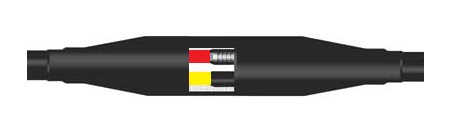
Overlooking Environmental Factors
Another critical aspect that is frequently ignored is the environment in which the cables operate. Is the installation exposed to moisture? Will it face extreme temperatures? Is there a risk of chemical exposure or mechanical damage?
High-quality cable jointing kits are designed to withstand these challenges. They include features like water-resistant seals, heat-shrink materials, and robust insulation that protect connections under demanding conditions. Ignoring these factors can lead to degradation over time, ultimately causing system failures.
Installation Matters More Than You Think
Even the best kits can fail if not installed correctly. Many issues arise not from the product itself but from improper handling during installation.
Clear instructions, ease of use, and compatibility with existing systems are key factors to consider when choosing a kit. Advanced kits are often designed with user-friendly components that reduce the risk of errors and ensure consistent results. Investing in the right kit can simplify the installation process and improve overall reliability.
The Hidden Cost of Cheap Alternatives
Cost is always a consideration, but choosing cheaper alternatives can be a costly mistake in the long run. Low-quality kits may save money upfront but often lead to higher maintenance costs, frequent replacements, and potential downtime.
Premium unique kits, on the other hand, offer durability and performance that justify their investment. They are built to last, reducing the need for repairs and ensuring uninterrupted operation. When evaluating options, it’s important to look beyond the initial price and consider the total lifecycle cost.
Safety Should Never Be Compromised
Electrical systems demand a high level of safety, and cable joints are one of the most vulnerable points. Faulty connections can lead to short circuits, overheating, and even fires.
Using reliable cable jointing kits significantly reduces these risks. These kits are designed to meet stringent safety standards, providing secure insulation and protection. Choosing the right kit is not just about performance, it’s about safeguarding people, property, and equipment.
The Importance of Compatibility
Another factor that often goes unnoticed is compatibility. Not all kits are suitable for every type of cable or system. Mismatched components can lead to inefficient connections and reduced performance.
Before selecting a kit, it’s essential to evaluate the specifications of your cables and ensure that the chosen solution aligns with them. High-quality kits are typically available in a range of configurations, making it easier to find the perfect fit.
Innovation Is Changing the Game
The world of cable jointing is evolving, with new technologies improving both performance and ease of use. Modern unique kitsincorporate advanced materials and designs that enhance durability, flexibility, and efficiency.
From heat-shrink technology to pre-engineered components, these innovations are making installations faster and more reliable. Staying updated with these advancements can give you a significant advantage, ensuring that your systems remain efficient and future-ready.
Making the Right Choice
So, how do you ensure you’re using the right jointing kits? It starts with understanding your specific needs. Consider factors such as voltage requirements, environmental conditions, installation complexity, and long-term performance goals.
Consulting with experts and choosing trusted manufacturers can also make a big difference. The right guidance can help you avoid common pitfalls and select a solution that delivers both reliability and value.
Conclusion
Choosing the right unique kits is more than just a technical decision, it’s a critical factor that impacts the safety, efficiency, and longevity of your electrical systems. While it’s easy to overlook the details, doing so can lead to costly consequences. By paying attention to factors like quality, compatibility, environment, and installation, you can ensure that your cable connections perform at their best. The next time you evaluate your setup, take a closer look at your jointing kits, you might discover that what you’ve been missing makes all the difference.