
In modern electrical and cable management systems, safety and durability are non-negotiable. As infrastructure expands and electrical networks grow more complex, the need for reliable cable jointing solutions has become increasingly important. One such solution, often overlooked outside technical circles, is the heat shrinkable joint kit. Understanding what it is and why it matters can help industries, technicians, and even project managers make smarter, safer decisions.
What Is a Heat Shrinkable Joint Kit?
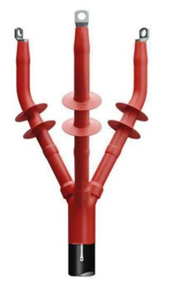
It is a complete set of components used to join electrical cables while providing insulation, mechanical protection, and environmental sealing. The kit typically includes heat shrinkable tubes, insulating materials, sealing compounds, and protective layers designed to shrink uniformly when heat is applied.
Once heated, the materials tightly wrap around the cable joint, creating a strong, insulated, and moisture-resistant seal. This process ensures long-term reliability, even in demanding environments.
Why Heat Shrink Joint Kits Are Essential
Electrical joints are often the weakest points in any cable system. Without proper protection, joints can fail due to moisture ingress, corrosion, mechanical stress, or temperature fluctuations. A heat shrinkable joint kit addresses these vulnerabilities in a single, integrated solution.
The heat-shrinking process ensures a snug fit around the joint, eliminating air gaps and reducing the risk of partial discharge or insulation breakdown. This makes these kits a preferred choice for both low- and high-voltage applications.
Applications Across Multiple Industries
One of the key reasons everyone should know about joint kits is their wide range of applications. They are commonly used in:
- Power distribution networks
- Industrial plants and factories
- Renewable energy projects
- Railways and transportation systems
- Commercial and residential electrical installations
Whether cables are installed underground, overhead, or in harsh industrial conditions, such kits provide consistent protection and performance.
Advantages Over Traditional Jointing Methods
Compared to conventional jointing methods, heat shrinkable kits offer several advantages. Installation is relatively straightforward and does not require complex tools beyond a controlled heat source. This reduces installation time and minimizes the chance of human error.
Additionally, these kits are designed to withstand environmental challenges such as moisture, UV exposure, chemicals, and temperature extremes. The materials used are tested for long-term performance, making them suitable for critical infrastructure projects where failure is not an option.
Improved Safety and Reliability
Safety is a major concern in any electrical system. Poorly insulated joints can lead to short circuits, electrical fires, and power outages. These joint kits enhance safety by providing high dielectric strength and robust insulation around the joint.
By sealing the joint completely, these kits prevent moisture and contaminants from entering the connection point. This significantly reduces the risk of corrosion and electrical faults, improving the overall reliability of the network.
Cost-Effective in the Long Run
While the initial cost of a joint kit may seem higher than basic jointing methods, it proves cost-effective over time. Reduced maintenance, fewer failures, and longer service life translate into lower operational costs.
For large-scale projects, the reliability of a heat shrinkable joint kit can prevent costly downtime and repairs. This long-term value makes them a smart investment rather than an added expense.
Adaptability to Different Cable Types
These joint kits are available for a wide range of cable sizes and voltage levels. They can be used with XLPE, PVC, and other common cable insulation types. This adaptability makes them suitable for both new installations and repair work.
Their compatibility with different cable configurations allows engineers and technicians to standardize jointing practices across projects, improving consistency and quality.
Ease of Inspection and Maintenance
Once installed, joint kits require minimal maintenance. Their robust design allows for easy visual inspection, ensuring that joints remain intact and properly sealed over time. Any signs of wear or damage can be identified early, preventing major issues.
This ease of maintenance is particularly valuable in remote or hard-to-access installations where frequent inspections are difficult.
Why Awareness Matters
Understanding the role of a heat-shrink joint kit goes beyond technical knowledge. Awareness helps decision-makers choose safer and more reliable solutions for electrical infrastructure. It also encourages better installation practices and highlights the importance of quality materials in long-term system performance.
As electrical networks continue to expand to support growing energy demands, the reliability of every joint becomes increasingly important. Joint kits play a critical role in ensuring that these networks operate safely and efficiently.
Conclusion
The heat shrinkable joint kit is more than just a technical component, it is a key element in modern electrical safety and reliability. From protecting cable joints against environmental damage to improving long-term performance, its benefits extend across industries and applications. Knowing about these kits empowers professionals and project planners to make informed choices that prioritize safety, durability, and cost efficiency. In a world increasingly dependent on reliable electrical systems, this is knowledge everyone should have.