In the electrical and power distribution industry, brokers and mediators play a crucial role in connecting manufacturers, contractors, utilities, and infrastructure developers. While they may not be directly involved in installation, understanding key technical products can significantly improve deal quality and credibility. One such essential product is the heat shrinkable cable jointing kit.
These kits are widely used across industrial, commercial, and utility projects, and having working knowledge of their purpose, applications, and value helps brokers and mediators communicate effectively with clients, avoid costly misunderstandings, and close deals with confidence.
Understanding the Role
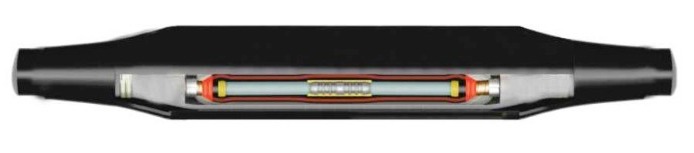
A heat shrinkable cable jointing kit is designed to safely join two power cables while restoring insulation, electrical integrity, and mechanical protection. When heat is applied, the components in the kit shrink tightly around the cable joint, forming a sealed and insulated connection.
These kits are commonly used in underground cabling, power transmission networks, renewable energy projects, industrial plants, and infrastructure development. For brokers and mediators, knowing that these kits are critical for ensuring uninterrupted power flow and long-term cable performance is foundational.
Why This Knowledge Matters for Brokers and Mediators
Unlike installers or engineers, brokers and mediators operate at the intersection of supply and demand. They must translate technical requirements into commercial agreements. A lack of understanding can lead to incorrect product matching, delays, or disputes between buyers and suppliers.
When brokers understand what this jointing kit does and why it is specified, they can guide buyers toward compliant solutions and help suppliers position their products more effectively. This knowledge builds trust and reduces friction during negotiations.
Key Applications to Be Aware Of
These cable jointing kits are used across a wide range of voltage levels, including low tension (LT), medium voltage (MV), and high voltage (HV) systems. They are essential in:
- Underground power distribution networks
- Industrial and manufacturing facilities
- Infrastructure projects such as highways and metro rail
- Renewable energy installations like solar and wind farms
Brokers should recognize that different applications require different specifications. A kit suitable for low-voltage indoor use may not meet the demands of high-voltage underground installations.
Important Specifications That Influence Deals
Understanding basic specifications helps brokers and mediators avoid costly errors. These kits vary based on cable type, voltage rating, conductor material, and environmental conditions.
Key factors include insulation material, stress control layers, sealing performance, and resistance to moisture and chemicals. Temperature range and compliance with industry standards also play a significant role in procurement decisions.
Being aware of these factors allows brokers to align product offerings with project requirements, ensuring smoother transactions and fewer post-sale issues.
Compliance and Standards Awareness
In many regions, a heat shrinkable cable jointing kit must comply with national and international standards. Utilities and government-backed projects often require products to meet specific certifications before approval.
For brokers and mediators, understanding the importance of standards helps in pre-qualifying suppliers and reducing the risk of rejected materials. It also strengthens negotiations, as compliance directly impacts pricing, lead times, and supplier credibility.
Commercial Value and Pricing Considerations
Pricing of these kits is influenced by material quality, voltage rating, brand reputation, and certification status. While lower-cost options may appear attractive, they often come with higher long-term risk.
Brokers should be prepared to explain why certain kits are priced higher and how quality affects performance and lifecycle costs. This perspective helps clients see value beyond upfront pricing and reduces pressure to compromise on safety or reliability.
Common Misunderstandings to Avoid
One frequent misconception is that all cable jointing kits are interchangeable. In reality, using an incorrect cable jointing kit can result in insulation failure, moisture ingress, and even power outages.
Another misunderstanding is underestimating lead times. Some kits are customized for specific cable sizes or voltage classes, which can impact delivery schedules. Brokers who anticipate these challenges can manage expectations and maintain smoother project timelines.
Strengthening Relationships Through Product Knowledge
For brokers and mediators, product knowledge is a competitive advantage. When clients sense confidence and clarity, they are more likely to rely on recommendations and return for future transactions.
Understanding a heat shrinkable cable jointing kit allows brokers to act as solution providers rather than intermediaries. This shift elevates their role, enhances reputation, and opens doors to larger, more complex projects.
Final Thoughts
Heat shrinkable cable jointing kits may seem like a highly technical product, but their impact on electrical safety and system reliability is immense. For brokers and mediators operating in the power and infrastructure space, having a working understanding of these kits is not optional—it is essential. By knowing how these jointing kits function, where they are used, and what specifications matter most, brokers can facilitate better deals, reduce risks, and build long-term trust with both buyers and suppliers. In a market where reliability and compliance are critical, informed mediation becomes a powerful asset.