Wind turbines are among the toughest places to run electrical cable. The nacelle sways, the tower hums with vibration, and cables inside twist with every change in wind direction. Over years, this constant motion tests every connection point in the system. A well-chosen heat shrink termination kit gives these cable ends the mechanical resilience and insulation integrity they need. This guide explains why turbine environments are so demanding, what features matter most, and how installation practices decide whether a termination lasts decades or fails within a few seasons.
Why Turbine Cabling Faces Unusual Stress
Unlike a fixed substation, a turbine subjects cables to forces that never really stop. Tower vibration, blade-induced oscillation, thermal swings between day and night, and moisture from rain or coastal air all act together. Power cables run from the generator down the tower, often with a twist section that allows the nacelle to yaw. Any rigid or poorly sealed connection becomes a weak point, and repairing one at height or offshore means costly crane time, lost generation, and difficult working conditions for maintenance crews.
Joining Long Cable Runs
Collector cables linking turbines to the substation often span hundreds of metres, and cable drums rarely match route lengths exactly. Joints are therefore unavoidable. A heat shrinkable jointing kit restores insulation, semi-conductive layers, and outer protection after the conductors are connected. Because the sleeves shrink tightly onto the cable when heated, they bond against moisture ingress and resist shifting caused by ground settlement or soil movement. Choosing a kit rated for the exact cable voltage and construction ensures the joint behaves like a continuous section of cable rather than a vulnerable splice.
Vibration and Cable Movement at the Termination Point
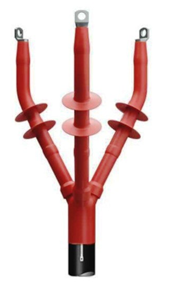
Terminations sit at the ends of cables, exactly where stress concentrates. In a turbine, vibration travels along the cable and flexes the junction with the switchgear or transformer. A quality heat shrink termination kit uses flexible tubing, stress control layers, and sealant-coated sleeves that recover tightly around the cable. This elastic grip absorbs micro-movement without cracking or lifting. It also keeps moisture and salt out, preventing tracking and partial discharge that slowly erode insulation. The result is a termination that stays stable through millions of vibration cycles.
Features Worth Checking Before You Buy
Not every product performs equally under turbine conditions, so specifications deserve close attention. Whether you are sourcing a heat shrinkable jointing kit for collector cables or accessories for tower-base connections, compare the following points against your project requirements and the cable manufacturer’s data sheet before approving any purchase order, since a mismatch in rating or cable construction is difficult to correct once the system is energised:
- Voltage and cable fit: match the kit to the cable’s voltage class, conductor size, and insulation type.
- Mechanical flexibility: sleeves should tolerate repeated bending and vibration without hardening.
- Moisture sealing: look for factory-applied mastic or sealant at every sleeve end.
- UV and weather resistance: outdoor and nacelle-top components face sunlight, ice, and salt spray.
- Standards compliance: confirm testing to recognised IEC or IEEE requirements.
Installation Practices That Protect Performance
Even the best product fails if installed carelessly. When fitting a heat shrink termination kit on a wind turbine, technicians should work in dry conditions, prepare the cable ends precisely, and apply heat evenly from one end to the other to avoid trapped air. Cleaning every surface, following the manufacturer’s dimensions, and allowing the sleeves to cool undisturbed all contribute to a reliable seal. Training crews on these steps is just as valuable as selecting the correct product.
Common installation errors to avoid:
- Heating one side only, which leaves trapped air.
- Skipping surface cleaning before applying sleeves.
- Using a kit that does not match the cable size.
- Moving the cable before the sleeves have cooled.
Inspection and Maintenance
Terminations and joints should not be forgotten once the turbine is commissioned. Routine inspection during scheduled service visits catches small problems early, before they become outages. Thermal imaging, visual checks, and periodic insulation testing reveal hotspots, surface contamination, and sealing issues. Recording each finding builds a useful history that helps predict when accessories need attention, allowing replacements to be planned alongside other maintenance rather than forced by unexpected faults.
Key checks during each visit:
- Look for cracks, discolouration, or sleeve movement.
- Check for moisture or salt deposits near cable ends.
- Use thermal imaging to spot unusual heating.
- Log findings for trend analysis.
Counting the Real Cost
A termination or joint costs little compared with a single day of lost turbine output. Add crane hire, technician travel, and the risk of secondary damage, and one failure can outweigh the purchase price many times over. Investing in quality accessories, proper training, and careful installation is therefore a practical financial decision. Over a project life of twenty-five years, dependable connections quietly protect revenue and keep generation schedules on track.
Conclusion
Wind projects demand cable accessories that cope with motion, moisture, and decades of service. Pairing a correctly specified heat shrinkable jointing kit for long runs with well-installed terminations at every cable end gives developers a dependable electrical backbone. Treat them as critical components, not afterthoughts. Careful selection, skilled installation, and regular inspection turn small components into long-term protection for turbine availability and project returns.