
Buying a cable jointing kit is not simply about finding the lowest price. These kits play an important role in creating secure, reliable connections between cables, so product quality, compatibility, and installation requirements all deserve attention. A cable jointing kit price list can help you compare costs, but it should be only one part of the buying decision.
Whether the kit is intended for power distribution, industrial applications, construction projects, or maintenance work, checking the technical details before ordering can prevent compatibility issues and unnecessary expenses. Here are the key factors to consider alongside the price.
1. Check Cable Compatibility
The first thing to confirm is whether the jointing kit is suitable for the cable you are working with. Cable size, conductor material, insulation type, voltage rating, and cable construction can all affect compatibility.
A kit designed for one cable specification may not be appropriate for another. Before comparing prices, check the manufacturer’s technical information and match the kit with the exact cable dimensions and application.
2. Understand the Voltage Rating
Voltage rating is another important consideration. Cable joints are manufactured for different voltage levels, ranging from low-voltage applications to medium- and high-voltage systems.
Choosing a kit with the correct voltage rating helps ensure that the finished joint can perform safely under its intended operating conditions. Never assume that a similarly sized kit will automatically be suitable for a different voltage application.
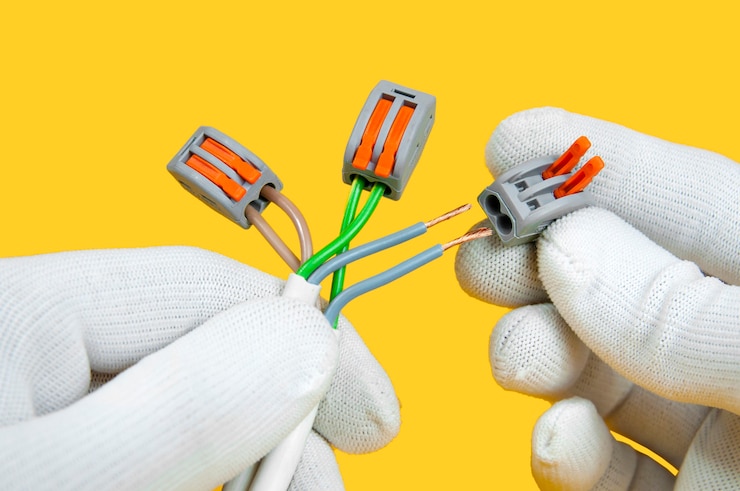
3. Look at the Kit Contents
Two kits can have noticeably different prices because they contain different components. Instead of comparing the headline figure alone, check exactly what is included.
Depending on the design, a jointing kit may include insulation materials, stress-control components, connectors, sealing materials, screens, earth continuity components, and installation accessories.
When reviewing a cable jointing kit price list, compare the contents of each option. A slightly more expensive kit may offer better value if it includes all the components required for installation.
4. Consider the Jointing Method
Cable jointing kits can use different technologies and installation methods. Common options include heat-shrink, cold-shrink, resin-based, and other specialized systems.
Each method has different installation requirements. Some may require controlled heating, while others are designed for installation without an external heat source. Consider the working environment, available tools, installer expertise, and project requirements before selecting a particular type.
5. Check Cable Dimensions Carefully
Cable diameter and conductor size are critical. Even if a kit is advertised for a particular voltage class, it may only accommodate a specific range of cable dimensions.
Check the manufacturer’s specified cable range, including conductor cross-section and overall cable diameter. This simple step can help prevent ordering a kit that cannot properly accommodate the cable.
6. Review Material Quality
The materials used in a jointing kit can influence its durability and performance. Insulation, sealing compounds, stress-control materials, and protective components should be manufactured to appropriate quality standards.
For installations exposed to moisture, chemicals, temperature changes, or mechanical stress, material selection becomes particularly important. A low-cost product may not necessarily provide the long-term performance required by demanding applications.
7. Verify Standards and Certifications
Before purchasing, check whether the product complies with relevant industry standards and testing requirements. Depending on the application and location, different standards may apply to electrical insulation, mechanical performance, environmental protection, and testing.
Certifications and documented test results can provide additional confidence in product quality. Buyers should request technical documentation where necessary rather than relying solely on product descriptions.
8. Think About Installation Conditions
The environment where the cable joint will be installed matters. Indoor and outdoor applications can have very different requirements.
Consider factors such as moisture, temperature, UV exposure, soil conditions, mechanical pressure, and available working space. A kit suitable for a controlled indoor environment may not be the right choice for an underground or outdoor installation.
9. Compare Warranty and Technical Support
Price should also be evaluated against after-sales support. A manufacturer or supplier that provides installation instructions, technical documentation, product guidance, and warranty coverage can offer significant value.
If an installation involves complex cable configurations, having access to technical assistance can make the purchasing decision much easier and reduce the risk of installation errors.
10. Compare Total Project Cost
The purchase price is only one part of the overall expense. Installation time, additional tools, connectors, labor, transportation, and potential replacement costs can affect the final project budget.
This is why a cable jointing kit price list should be used as a starting point rather than the final deciding factor. Compare the complete cost of getting the cable joint installed correctly and reliably.
Make Price Comparison Part of a Bigger Checklist
A good purchasing decision balances price with compatibility, quality, safety, installation requirements, and long-term performance. Looking at a Cable Jointing Kit Price List gives buyers a useful starting point for comparing available products, but technical suitability should always come first.
Before placing an order, confirm the cable specifications, voltage rating, kit contents, installation method, standards, environmental requirements, and supplier support. Taking a few extra minutes to verify these details can help avoid costly mistakes later. Ultimately, the right cable jointing kit is not necessarily the cheapest option. It is the one that matches the application, meets the required technical standards, supports reliable installation, and delivers dependable performance over its expected service life.