
In electrical systems, reliability matters more than anything. Whether it’s an industrial setup, infrastructure project, or commercial installation, even a small weakness can lead to major failures. While most professionals focus on cables, load capacity, and insulation, one critical component often gets overlooked, the cable joint.
More specifically, the quality and application of a straight joint kit can determine whether your entire system performs efficiently or fails unexpectedly. Ignoring this one element can compromise safety, performance, and long-term durability.
The Overlooked Link in Electrical Systems
A cable is only as strong as its weakest connection. While cables themselves are designed to withstand stress, environmental exposure, and electrical loads, the same level of attention is not always given to the cable joint.
Joints are where continuity is maintained. Any fault here, poor insulation, weak sealing, or improper installation, can disrupt the entire system. Despite this, many installations treat joints as routine tasks rather than precision work.
This is where problems begin.
Why the Straight Joint Kit Matters More Than You Think
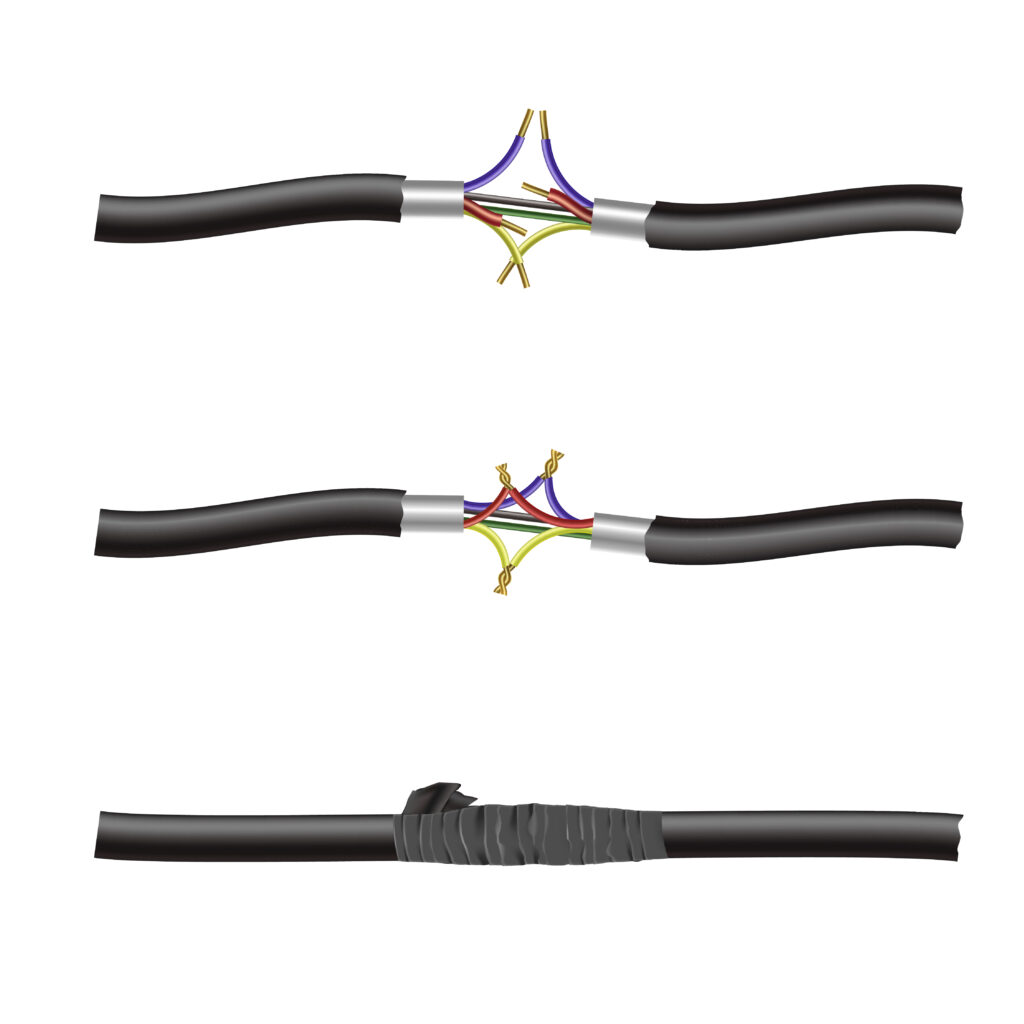
A straight joint kit is not just an accessory; it is an engineered solution designed to restore a cable’s integrity after connection. It ensures proper insulation, mechanical strength, and environmental protection.
When selected and installed correctly, a straight joint kit:
- Maintains electrical continuity
- Protects against moisture and contaminants
- Prevents insulation failure
- Enhances overall system reliability
However, when ignored or poorly chosen, it becomes the weakest link in the entire setup.
Common Mistakes That Lead to Failure
Many joint failures can be traced back to a few avoidable mistakes:
1. Using the Wrong Straight Joint Kit
Not all kits are the same. Choosing one that doesn’t match the cable type or voltage rating can lead to overheating and breakdown.
2. Poor Installation Practices
Even the best straight joint kit can fail if installed incorrectly. Improper sealing, incorrect alignment, or insufficient insulation can create vulnerabilities.
3. Ignoring Environmental Conditions
Outdoor and underground installations require additional protection. Moisture, temperature fluctuations, and soil conditions can all impact the durability of a joint.
4. Lack of Testing
Skipping post-installation testing increases the risk of undetected faults that can escalate over time.
The Role of Precision
Cable jointing is not just a technical step, it’s a precision task. Every layer, from conductor connection to insulation and outer protection, must be handled with care.
A high-quality jointing kit simplifies this process by providing all necessary components designed to work together. But precision still depends on execution. Proper stripping, alignment, and sealing are essential to ensure the joint performs as intended.
This is why trained professionals treat it as a specialized skill rather than a routine procedure.
Long-Term Impact on System Performance
Ignoring the importance of a cable joint doesn’t just cause immediate issues, it affects long-term performance.
A weak joint can lead to:
- Power losses
- Frequent maintenance
- System downtime
- Safety hazards
On the other hand, a well-installed kit ensures stability, reduces maintenance costs, and extends the lifespan of the entire electrical system.
Choosing the Right Straight Joint Kit
Selecting the right kit involves more than just availability. It requires careful consideration of:
- Cable type and size
- Voltage rating
- Installation environment
- Load requirements
A properly matched straight joint kit ensures compatibility and reliability, minimizing the chances of failure.
Why Professionals Never Overlook This Step
Experienced electricians and engineers understand that the smallest components often have the biggest impact. That’s why they prioritize the quality of every cable joint. They don’t just install, they inspect, test, and verify. This attention to detail ensures that the system performs consistently, even under demanding conditions.
Ignoring this step is not just a shortcut, it’s a risk.
The Detail That Defines Reliability
In electrical systems, success isn’t defined by the most visible components but by the weakest connection. The cable joint is that critical point where everything comes together.
By giving proper attention to the straight joint kit, you ensure that your system is not only functional but reliable and safe. It’s a small detail with a massive impact. So the next time you plan or inspect a cable setup, don’t overlook the one thing that holds it all together.