
In electrical installations, some components are more visible than others, massive switchgear, transformers, distribution panels, and control systems tend to dominate attention. But seasoned electricians, engineers, and technicians know that the smallest, simplest-looking components are often the ones that protect everything else. A heat shrink termination kit is one of those components. It may not look like much, but the consequences of using a poor-quality kit can be costly, dangerous, and sometimes catastrophic.
If you’ve ever wondered whether opting for a cheaper termination kit is “good enough,” this blog will make one thing clear: it’s not. When it comes to terminating medium- or low-voltage cables, compromising on quality isn’t just a bad decision, it’s an invitation to system failure.
The Real Purpose of a Heat Shrink Termination Kit
This kit does more than simply cover the exposed ends of a cable. It is engineered to:
- Manage electrical stress
- Protect against moisture
- Provide insulation
- Resist tracking
- Secure mechanical strength
- Seal the termination from environmental contamination
When installed correctly using high-quality materials, a termination kit can last for decades. When installed with poor-quality materials, it can fail in months, or even days.
The difference isn’t cosmetic. It’s structural, safety-critical, and deeply tied to the performance and reliability of your entire electrical system.
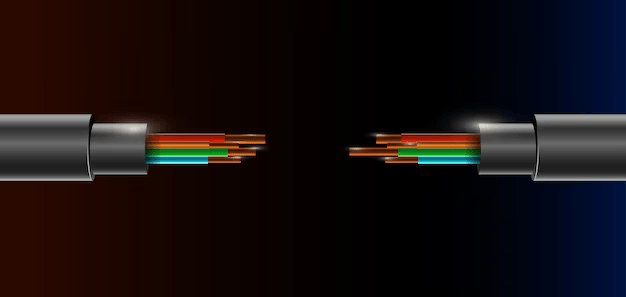
What Happens When You Use a Poor-Quality Heat Shrink Termination Kit?
1. Electrical Stress Concentration Leads to Partial Discharge and Insulation Breakdown
The termination point is where electrical stress is at its highest. Inferior heat shrink kits use substandard stress control tubing that cannot distribute this stress evenly.
This results in:
- Partial discharge
- Micro-arcs inside the insulation
- Progressive degradation of insulation layers
This kind of failure often goes unnoticed until it becomes severe, by then, the cable may already be permanently damaged.
2. Moisture Ingress Creates Corrosion and Tracking
Cheap heat shrink kits typically have poor sealing properties. The mastic material may not bond correctly, the outer tube may crack, and moisture can easily seep in.
Once moisture enters a termination, it creates a chain of problems:
- Corrosion of the conductor
- Formation of conductive paths
- Surface tracking
- Short circuits
- Final catastrophic failure
In outdoor environments, this risk multiplies. With humidity, rain, and condensation constantly attacking the termination, a low-quality kit simply cannot hold up.
3. Temperature Fluctuations Cause Cracks and Hardening
High-quality heat shrink termination kit materials are engineered to remain flexible, even after thousands of cycles of expansion and contraction caused by load currents and ambient temperature changes.
Poor-quality materials do the opposite:
- They become brittle
- They crack under stress
- They lose elasticity
- They detach from the cable
These cracks open the door to dirt, moisture, and environmental pollution. And once contamination begins, the failure timeline accelerates drastically.
4. UV Radiation and Outdoor Exposure Destroy Low-Quality Sleeves
Outdoor terminations face harsh conditions daily:
- Intense sunlight
- Dust and contamination
- Chemical exposure
- Wind and rain
Low-grade heat shrink sleeves are notorious for fading, cracking, and breaking down under UV radiation. Without UV-resistant and anti-tracking properties, an outdoor termination can degrade in record time.
This doesn’t just cause failure, it turns the system into a safety hazard.
5. Increased Maintenance Costs and Unexpected Downtime
One of the hidden dangers of using a poor-quality termination kit is unexpected downtime.
Even a small failure in a termination can cause:
- Production stoppage
- Electrical trips
- Interruptions in supply
- Expensive emergency repairs
Industries that rely on continuous operations, manufacturing, utilities, mining, and data centers cannot afford such interruptions.
The irony is that the small amount saved on a cheaper kit is nothing compared to the costs incurred from downtime and repairs later.
6. Higher Risk of Flashovers and Fire Hazards
When insulation degrades due to poor-quality materials, contaminants, or moisture, flashovers become a real risk.
A flashover at a termination point can:
- Damage equipment
- Ignite fires
- Endanger personnel
- Cause chain-reaction failures
Electrical safety depends heavily on the integrity of insulation and sealing at critical junctions. A low-quality heat shrink termination kit compromises that integrity from day one.
7. Unpredictable Failure, The Worst Kind of Failure
High-quality termination kits are tested, certified, and predictable. Their performance is known and trusted.
Low-quality kits? They fail unpredictably.
You cannot tell:
- How long they will last
- What conditions will trigger failure
- Whether they will react to load variations
- How they behave under fault currents
Unpredictable failure is a maintenance engineer’s worst nightmare, and a risk no operation should take.
The Real Cost of Cheap Termination Kits
Choosing a low-quality heat shrink termination kit may save a little money upfront, but it introduces:
- Higher failure rates
- Increased safety risks
- More downtime
- Expensive emergency repairs
- Reduced equipment lifespan
- Reduced cable lifespan
- Regulatory compliance issues
Electrical systems are only as strong as their weakest points. And termination points are among the most critical components of any installation.