
In the world we are living in, electricity is not just a convenience, it is the lifeblood of industries, businesses, and households. Behind the seamless flow of power lies a network of cables and connections, each playing a critical role in maintaining safety and efficiency. Among the most overlooked yet vital components are cable jointing kits. These kits ensure that power cables remain secure, insulated, and reliable even under harsh conditions.
Traditionally, cable jointing kits were standardized products with little room for differentiation. However, the story is changing fast. Cable jointing kit manufacturers are now heavily focusing on innovation, driven by growing energy demands, rapid infrastructure development, and the increasing need for safe and sustainable solutions.
So, why are manufacturers in this space prioritizing innovation more than ever before? Let’s explore.
Rising Energy Demands Require Smarter Solutions
Global electricity consumption continues to rise due to urbanization, digitalization, and the transition toward electric vehicles and renewable energy. Power grids are under constant pressure to deliver uninterrupted energy, and that means cables and their joints must perform flawlessly.
Cable jointing kit manufacturers are responding by designing products that can withstand higher loads, extreme temperatures, and varied environmental conditions. Advanced insulation materials, heat-shrink technologies, and user-friendly designs are all part of this new wave of innovation. These improvements reduce the chances of faults, power outages, and costly downtime.
Safety Has Become Non-Negotiable
One of the biggest drivers of innovation is safety. Cable failures are not just inconvenient; they can be dangerous, leading to fires, electrocution risks, or massive industrial losses. Governments and industry bodies are tightening safety regulations, and companies must comply with international standards like IEC, ASTM, or IEEE.
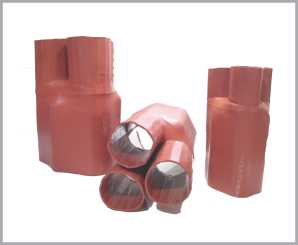
This has pushed manufacturers to rethink their designs. Today’s cable jointing kits often include flame-retardant materials, enhanced insulation, and corrosion-resistant features. Some even integrate smart sensors that can monitor temperature or stress at the joint, alerting technicians before a failure occurs.
By embedding safety into every layer of design, manufacturers are not just meeting regulations but also building trust with utilities, contractors, and industries that rely on their products.
Innovation for Sustainability
Another key reason behind the innovation push is the global focus on sustainability. Traditional cable jointing materials often included substances harmful to the environment, such as lead-based compounds. With the world moving toward greener practices, manufacturers are replacing these with eco-friendly alternatives.
Some companies are also innovating by reducing the material wastage associated with installation. Easy-to-install designs mean fewer errors, less scrap material, and lower overall environmental impact. In large-scale projects, these incremental improvements add up, making a significant difference in sustainability outcomes.
Supporting Renewable Energy Integration
Renewable energy projects like solar and wind farms are booming. However, these projects present unique challenges for cable jointing. For instance, offshore wind turbines require cable joints that can resist saltwater corrosion, while desert-based solar farms demand kits that can endure extreme heat.
Cable jointing kit manufacturers are innovating with specialized solutions tailored to these environments. Waterproofing techniques, UV-resistant polymers, and advanced sealing mechanisms are being developed to meet the needs of renewable projects. By doing so, manufacturers are not only staying relevant but also contributing to the clean energy revolution.
The Push for Faster and Easier Installation
Time is money in infrastructure projects. Traditional cable jointing was labor-intensive and prone to errors if not installed by highly skilled technicians. To address this, manufacturers are focusing on simplifying installation processes without compromising safety.
Innovations like pre-molded joints, cold-shrink technologies, and color-coded components reduce installation time significantly. These user-friendly designs also minimize human error, ensuring consistent quality across installations. For contractors and utilities, this translates to lower costs and higher reliability.
Digitalization and Smart Monitoring
We live in the era of smart grids, where every component of the power system is becoming intelligent. Cable jointing kits are no exception. Some manufacturers are experimenting with integrating sensors that can monitor stress, temperature, or moisture inside the joint. These smart features allow real-time monitoring and predictive maintenance, preventing failures before they happen.
The integration of digital tools with physical infrastructure is a massive leap forward. Not only does it reduce maintenance costs, but it also ensures longer lifespans for cables, ultimately improving the resilience of entire power networks.
Global Competition and Market Differentiation
The cable jointing kit industry is becoming increasingly competitive. Manufacturers from emerging markets are entering the field, pushing established players to differentiate themselves through innovation. Simply producing a functional product is no longer enough; customers now expect superior performance, sustainability, and after-sales support.
To stand out, manufacturers are investing in research and development, collaborating with universities, and experimenting with new materials and technologies. This race for innovation is driving the industry forward, benefiting customers with safer, smarter, and more efficient solutions.
The Future of Cable Jointing Kits
Looking ahead, we can expect cable jointing kit manufacturers to further embrace automation, digitalization, and sustainability. 3D printing may play a role in producing customized joints quickly, while nanotechnology could enable materials with unprecedented strength and conductivity.
As the world becomes more dependent on electricity, from powering smart cities to supporting electric mobility, the role of reliable cable connections will only grow. Manufacturers who innovate will not only secure their place in the market but also play a critical role in shaping the future of global energy infrastructure.
Conclusion
Cable jointing kits do not grab attention or headlines, but they are the critical part of modern energy systems. What once was a routine, standardized product is now at the forefront of innovation. From safety and sustainability to digitalization and renewable integration, manufacturers are reimagining how cable joints are designed, installed, and maintained. By focusing on innovation, cable jointing kit manufacturers are not just responding to industry trends, they are driving them. And as the energy sector evolves, their role in keeping the world connected, safe, and sustainable has never been more vital.